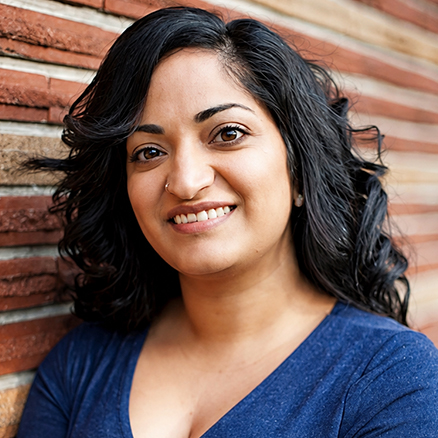
I completed my doctorate in clinical psychology at Concordia University, where my research examined the intergenerational transmission of risk in the children of parents with bipolar disorder. I am a Licensed Psychologist in British Columbia (CHCPBC #1014549) and a member of the Ordre des psychologues du Québec. I have trained directly with Dr. Kristin Neff and Dr. Christopher Germer in Mindful Self-Compassion, and I collaborate on research with Dr. Grace Iarocci at Simon Fraser University's Autism & Developmental Disabilities Laboratory, where our current work looks at self-compassion in late-diagnosed autistic adults.
My practice is built around comprehensive psychological assessment with adolescents and adults: autism and ADHD assessment, diagnostic clarification in complex mental health presentations, and assessment to support treatment planning, accommodation, and return to work. I am trained in the ADOS-2 and ADI-R, and assess adults arriving late to questions they have carried for decades.
My work sits at the intersection of neurodivergence and attachment trauma, the difference between how a person is wired and what has happened to them, and the ways those two things become tangled over a lifetime. That distinction is often the whole question in an adult assessment. Sensory overwhelm and hypervigilance can look alike from the outside; so can autistic social exhaustion and avoidant attachment; so can ADHD and the aftermath of a childhood spent monitoring an unpredictable adult. Untangling this carefully is what I care most about, and it is why I have a particular interest in the presentations that are most often missed, the people who reach midlife described as sensitive, intense, scattered, difficult, or simply tired.
An assessment with me is a collaborative process rather than a verdict delivered from above. I use standardized measures, structured diagnostic interviews, developmental and collateral history, and behavioural observation, and I weigh them against each other rather than deferring to any single score. Where the data disagree, and in adult assessment it often does, I say so plainly in the report and explain my reasoning. My reports are written to be genuinely useful to the person, and to be legible to the physicians, employers, insurers, and educational institutions who may need to act on them. I also keep a small therapy practice, working with adults on self-compassion, relational repair, and life after a late diagnosis.
I consider it a profound privilege to sit with someone at the moment their own history starts to make a different kind of sense. A good assessment does not hand you a label; it reorganizes the story you have been telling about yourself, usually with considerably more kindness in it.
Outside of work, you'll find me in a yoga or ballet class, in a gallery, or spending time with my family, friends, and dog.