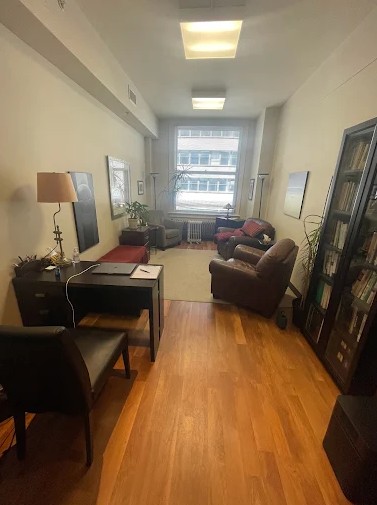
Psychological Assessments in Vancouver
ADHD, psychoeducational, mental health, and integrated assessments for children, teens, and adults, plus independent medical evaluations. Get clear answers, a written report, and practical recommendations from registered psychologists.
- Children, teens, and adults
- No referral needed
- Usually booked within 1 to 7 weeks
- Written report and feedback

Why get a psychological assessment?
Psychological assessments identify the root causes of what you or your child are experiencing. They guide effective next steps, including accurate diagnosis, treatment planning, and the right supports at school, at work, and at home.
The benefits extend beyond immediate needs. With a careful evaluation and written report, you gain insight into possible contributors to stress, trauma, or other psychological challenges, and a framework for understanding neurodevelopmental differences such as ADHD, learning disorders (for example, dyslexia and dyscalculia), intellectual functioning, and cognitive giftedness.
You will receive a clear written report and practical recommendations that can support planning with schools, employers, and healthcare providers.

Types of assessment
Not sure which one you need? That is common. Complete the intake form and our team will recommend the right assessment for your questions.

Mental health assessment
Teens and adults
A foundational evaluation for anyone seeking a deeper understanding of themselves, regardless of how severe their concerns are. The report clarifies symptoms and diagnostic considerations so you can respond more effectively to stress.
- Mood and anxiety disorders
- PTSD and trauma
- OCD, bipolar disorder, and schizophrenia
- Phobias and other concerns

Psychoeducational assessment
Children, teens, and adults
A detailed cognitive profile exploring the relationship between cognitive abilities and academic achievement. Psychoeducational and intellectual assessment is a particular specialty of our team, and children and youth can be assessed by school psychologist Ilona Oszadszky. Learn more about specific learning disorders and school supports in BC after a psychoeducational assessment.
- Learning disorders such as dyslexia, dyscalculia, and dysgraphia
- Intellectual functioning and giftedness
- Recommendations for school, IEPs, and post-secondary

ADHD assessment
Children, teens, and adults
A careful, comprehensive process including a clinical interview, standardized questionnaires compared to established norms, and evaluation of executive functioning, so clinicians can reach well-supported conclusions and practical recommendations.
- Attention, focus, and organization
- Executive functioning in daily life
- Ruling out other explanations such as anxiety or trauma

Integrated assessment
Children, teens, and adults
Combines several of the approaches above, for example an ADHD assessment alongside a mental health or psychoeducational assessment, when several questions need answering at once. The scope is tailored to your presentation, goals, and questions.
- One coordinated process
- Tailored level of detail
- Collaboration with everyone involved

Independent medical evaluation
Adults
Also called psycho-legal assessments, IMEs provide an objective psychological opinion for insurance, legal, or workplace matters, such as psychological injuries after a car crash or workplace incident. Our psychologists provide comprehensive, unbiased reports that address the referral questions, completed efficiently without compromising quality. Learn what to expect at an independent medical evaluation, or read about PTSD after a car crash.
- Insurance and disability claims
- Legal and workplace matters
- Detailed written report
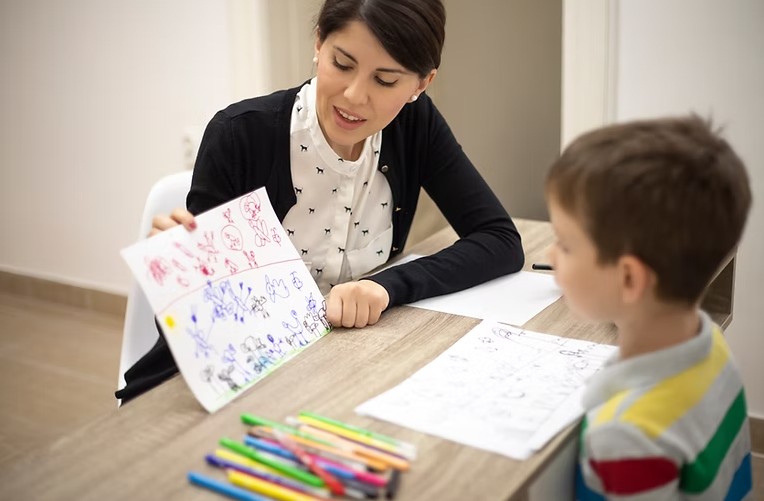
Autism assessment
Children, teens, and adults
Neurodiversity-affirming autism (ASD) assessments by psychologists trained in the ADOS-2 and ADI-R, including MCFD and CLBC forms where applicable.
- Children, including MCFD funding forms
- Teens and late-diagnosed adults
- Strengths-based recommendations

Assessment review
Children, teens, and adults with an existing diagnosis
Already diagnosed elsewhere, but your report lists little more than the diagnosis itself? One of our psychologists reviews your existing diagnostic records and provides the recommendations, letters, and forms you need, without repeating a full assessment. A review is also a good starting point if you would like a second opinion on a previous assessment.
- Treatment recommendations based on your diagnosis
- Support for school, post-secondary, and workplace accommodations
- Commonly requested forms, such as the Disability Tax Credit (T2201) and the MCFD Non-BCAAN autism funding form
Signs an assessment might help
People usually reach out because a question has been on their mind for a while. These easy-to-read articles describe some of the most common ones.
Focus and attention
Trouble focusing no matter how hard you try, losing track of time, or unfinished projects piling up.
ADHD in women and adults
ADHD is often missed for years, especially in women and in people who coped well in school.
Learning and school
A child who is bright but struggling with reading, writing, or math, or a student who needs accommodations.
Mood that is hard to pin down
Highs and lows, low mood that will not lift, or wondering whether it is depression or something else.
Autism and ADHD together
Traits that seem to fit both autism and ADHD, or a diagnosis that never quite explained everything.
Diagnostic clarity
Several possible explanations, or past diagnoses that do not fit, and a need for a clear picture before treatment.
The assessment process
Most assessments include the steps below. Your psychologist will explain exactly what your assessment involves before you begin.
-
Clinical interview
A conversation to understand your concerns, history, and goals. Usually virtual, or in person if you prefer.
1.5 to 2 hours -
Testing
In-person testing at our downtown Vancouver office, plus online questionnaires (most people take 20 to 60 minutes).
1 to 3 sessions, about 4 hours each -
Collateral information
With your consent, input from family members or others who can add context. Often recommended for a thorough report.
Optional -
Scoring and review
Scoring and interpreting results and reviewing relevant records, such as report cards, resumes, or prior reports.
About 1 to 2 hours -
Written report
Findings are integrated into a contextual written report, with a diagnosis when applicable.
About 6 hours of report writing -
Feedback session
A meeting to review your results and tailored recommendations. Optional follow-ups can support school meetings or next steps.
1 hour
What happens after you submit the intake form
Booking an assessment starts with a short online intake form. You do not need a referral, and you do not need to know exactly which assessment you need.
-
We review your form and contact you
Our practice manager typically follows up within one business day to clarify your questions, recommend the right assessment and clinician, and explain the cost.
-
We schedule your appointments
Most assessments begin with a virtual clinical interview. In-person testing is usually offered within one to seven weeks.
-
You receive your report and feedback
Your psychologist reviews the results with you and provides a written report with practical recommendations.
What to bring
Helpful documents
- Previous reports prepared by professionals
- Resume or curriculum vitae (C.V.)
- Report cards
- Current medication list
How reports are used
- School accommodations, IEPs, and post-secondary disability services
- Workplace and testing accommodations
- Disability benefits and funding, such as the Disability Tax Credit (see our disability resources)
- Treatment planning with your therapist, doctor, or psychiatrist
Psychologists who provide assessments
Every assessment is led by a registered psychologist, supported by trained psychometrists and, in some cases, supervised doctoral students.








Assessments may also be completed by supervised doctoral students, which can lower the cost. See all of our psychologists.
Faster access to a psychiatrist, if you need one
An assessment often raises new questions about treatment. Clients who complete an assessment with us remain eligible for an internal psychiatric referral for six months afterward.
If your clinician believes a medication review or a second diagnostic opinion would help, they can recommend an expedited consultation with one of our consulting psychiatrists and, with your consent, coordinate the referral. Psychiatric consultations are covered by MSP, and your ongoing care continues with the clinician who already knows you.
Available to active clients: people in ongoing therapy with us (usually every two weeks), people working with one of our doctoral students, and people who completed an assessment with us in the past six months. MSP-covered psychiatric care requires a physician referral. Read our referral policy.
Psychological assessments for clients across British Columbia
Our office is in the Rogers Heritage Building at 470 Granville Street in downtown Vancouver, steps from Waterfront Station. Interviews can take place virtually, with in-person testing at our downtown office, and we have also assessed visitors travelling to Vancouver. We regularly support clients from across British Columbia, including:
Related reading
Guides to the questions that most often lead people to an assessment, plus practical resources for what comes next.
Frequently asked questions
What is included in a psychological assessment at Pacific Maple Psych Centre?
Our psychological assessments typically include a clinical interview, one to three in-person testing sessions, online questionnaires, optional collateral information with your consent, scoring and interpretation, a written report, and a feedback session to review results and recommendations.
How long does a psychological assessment take?
The process usually begins with a 1.5- to 2-hour clinical interview, followed by one to three in-person testing sessions that average about four hours each. Scoring, interpretation, and report writing follow, and the process ends with a one-hour feedback session.
Do I need a referral for a psychological assessment?
No. You can request an assessment yourself. Some insurers or schools ask for a referral for reimbursement or accommodation purposes, so it is worth checking with them, but our clinic does not require one.
What kinds of concerns can a psychological assessment help clarify?
Assessments can clarify mood and anxiety disorders, PTSD, OCD, bipolar disorder, schizophrenia, phobias, ADHD, learning disorders such as dyslexia, dyscalculia, and dysgraphia, intellectual functioning, giftedness, and other questions about cognitive or emotional functioning.
Do you offer ADHD assessments for adults and children in Vancouver?
Yes. Pacific Maple Psych Centre provides ADHD assessments for children, adolescents, and adults. ADHD assessments typically include a clinical interview, standardized questionnaires, and an evaluation of executive functioning, and they consider other explanations such as anxiety, trauma, or autism.
Do you offer psychoeducational assessments?
Yes. Our psychoeducational assessments evaluate learning disorders, intellectual functioning, and cognitive giftedness, and the report can support school accommodations, individual education plans (IEPs), and post-secondary disability services.
Do you offer autism assessments?
Yes. We assess children, adolescents, and adults for autism. Visit our autism assessment page for details about the process and what the report includes.
Can an assessment support disability benefits or accommodations?
Often, yes. Depending on the findings, your report may support school or workplace accommodations, testing accommodations, and applications for programs such as the Disability Tax Credit or provincial disability supports. Our disability resources page links to the main BC and federal programs.
I already have a diagnosis from somewhere else. Do I need a new assessment?
Not always. If you have formal diagnostic records from another practice or facility but need treatment recommendations, accommodation support, or forms such as the Disability Tax Credit (T2201) or the MCFD Non-BCAAN autism funding form, an assessment review may be enough. A review is also a good option if you would like a second opinion on a previous assessment. A psychologist reviews your existing records and lets you know whether they can support what you need or whether further assessment would help. Submit the intake form and mention that you are requesting a review.
What should I bring to my psychological assessment?
If you have them, bring previous reports from professionals, a resume or curriculum vitae, report cards, and a current medication list.
Is a psychological assessment covered by insurance?
Psychological assessments are not covered by MSP, but many extended health plans reimburse assessments by registered psychologists, and unreimbursed fees can be claimed as a medical expense on your taxes. Our team will explain the cost when we contact you about your intake form.
How quickly can I book a psychological assessment?
After you submit the intake form, our team typically follows up within one business day. Assessments are often offered within one to seven weeks, depending on availability and the type of assessment needed.
Can international visitors book an assessment?
Yes. We have provided assessments for international visitors, and people travelling to Vancouver for an assessment are welcome. You need to be physically in Canada for every part of the assessment, including any appointments held by video.
Will I receive a written report after the assessment?
Yes. You receive a written report that integrates the findings, includes a diagnosis when applicable, and sets out recommendations tailored to you, along with a feedback session to discuss the results.
What happens after my assessment?
Your report and feedback session give you practical next steps for treatment, accommodations, and decision-making. Many clients go on to therapy with our team, and clients who completed an assessment with us in the past six months can be referred internally to one of our consulting psychiatrists for an expedited, MSP-covered consultation.
Get the answers you have been looking for
Whether you are seeking a psychological assessment for yourself or for your child, our team of BC psychologists is here to help. Complete the intake form and we will be in touch, typically within one business day.
Questions first? Call 604-774-5501 or email info@pacificmaplepsych.com.
Pacific Maple Psych Centre is not a crisis service. If you are in immediate danger, call 911. To reach the Suicide Crisis Helpline, call or text 9-8-8.