Autism Assessments for Children, Teens, and Adults in Vancouver
Neurodiversity-affirming autism spectrum disorder (ASD) assessments by registered psychologists trained in the ADOS-2 and ADI-R. Whether you are a parent noticing differences in your child or an adult looking for self-understanding, we are here to help.
- All ages
- ADOS-2 and ADI-R trained
- MCFD and CLBC forms
- Wait times of 2 weeks to 2 months

A respectful, strengths-based approach
While the clinical term is autism spectrum disorder (ASD), many people view autism as a natural variation in how the brain works rather than something disordered. Our approach is neurodiversity-affirming and strengths-based.
Autism is a neurodevelopmental difference that can involve social interaction, communication, sensory experience, and patterns of behaviour and interests. Presentation varies widely from person to person, with a wide range of strengths, support needs, and levels of daily-life impact.
Clear identification and understanding of autism can support effective planning, accommodations, and support. Our assessments extend beyond diagnosis to provide practical insights and recommendations, and we collaborate with individuals, families, and other professionals to build a plan that reflects strengths, needs, and goals.

Signs that often lead to an assessment
Autism can look very different at different ages, and many people, especially women and girls, are not identified until adulthood. These articles describe common experiences.
Children and teens
Parents and teachers often notice differences in communication, play, routines, or sensory responses.
- Delayed or unusual speech
- Difficulty with back-and-forth play
- Strong need for routine
- Distress when plans change
- Sensitivity to noise
- Intense interests
- Repetitive movements
- Difficulty making friends
Adults
Adults often seek an assessment after years of feeling different, exhausted by socializing, or misunderstood.
The assessment process
Our psychologists use a multidisciplinary approach that may include interviews, observation, and standardized measures to build a comprehensive understanding of each person.
-
In-depth intake
We gather detailed information about developmental history and current concerns, from you and, with consent, from family or others who know you well.
-
Tailored measures
A series of measures suited to age and needs, which may include social communication, adaptive functioning, behaviour patterns, and cognitive functioning, using tools such as the ADOS-2 and ADI-R.
-
Feedback and report
Your psychologist explains the results, including a diagnosis if applicable, and provides a comprehensive written report with practical recommendations.
-
Next steps
We help you use the report for funding, school, work, and support. For families, that can include understanding BC Autism Funding, deciding which services to start with, and building a care team, such as a speech-language pathologist, occupational therapist, or behaviour consultant. Many clients continue with our team for therapy, parent support, or family support. Read what happens after your child is diagnosed with autism.
What your report includes
Children
- A comprehensive formal report with a clear diagnosis, if applicable
- Completion of any necessary disability-related documentation and forms
- Completion of MCFD (Ministry of Children and Family Development) forms for autism funding, included in the cost of the assessment
- CLBC (Community Living BC) form completed and signed to support access to adult services. Families can begin the process before age 16, though it is often most helpful closer to the transition to adult services at 19. If eligible and approved, individuals may receive income and housing support, medical coverage, and employment assistance
Adults
- A comprehensive formal report summarizing and explaining findings
- A formal diagnosis, if applicable
- Documentation for disability-related purposes, IEPs, or workplace accommodations
- Forms or applications for testing accommodations (for example, professional or standardized examinations), if pertinent
- Practical recommendations for therapeutic, educational, or workplace support, and strategies to cope with challenges
- Option for a follow-up consultation to review progress or determine next steps
Looking for funding and support after a diagnosis? Our disability resources page links to BC autism funding, the Disability Tax Credit, and other programs.
What happens after you submit the intake form
Booking an assessment starts with a short online intake form. You do not need a referral.
-
We review your form and contact you
Our practice manager typically follows up within one business day to answer questions, recommend the right clinician, and explain the cost.
-
We schedule your appointments
Wait times for autism assessments currently range from about two weeks to two months.
-
You receive your report and feedback
Your psychologist reviews the results with you and provides a written report with practical recommendations.
Psychologists who provide autism assessments
Our autism assessments are led by registered psychologists trained in gold-standard tools, including the Autism Diagnostic Observation Schedule, Second Edition (ADOS-2), and the Autism Diagnostic Interview, Revised (ADI-R).
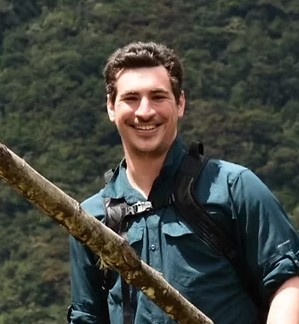


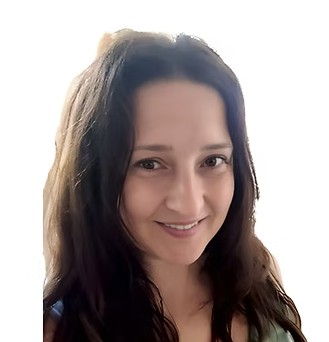
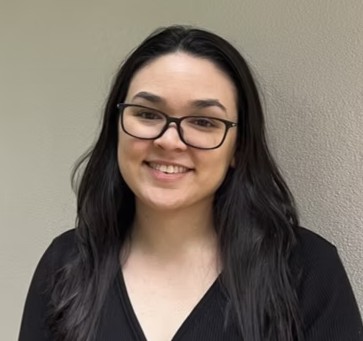
After an assessment, many families and adults continue with support from our team. Linda Sawyer offers autism family support, and Cailee Clark provides neuro-affirming therapy informed by lived experience.
Faster access to a psychiatrist, if you need one
Some autistic people also live with anxiety, depression, or ADHD, and medication can be part of the picture. Clients who complete an assessment with us remain eligible for an internal psychiatric referral for six months afterward.
If your clinician believes a medication review or a second diagnostic opinion would help, they can recommend an expedited consultation with one of our consulting psychiatrists and, with your consent, coordinate the referral. Psychiatric consultations are covered by MSP, and your ongoing care continues with the clinician who already knows you.
Available to active clients: people in ongoing therapy with us (usually every two weeks), people working with one of our doctoral students, and people who completed an assessment with us in the past six months. MSP-covered psychiatric care requires a physician referral. Read our referral policy.
Autism assessments for families across British Columbia
Our office is in the Rogers Heritage Building at 470 Granville Street in downtown Vancouver, steps from Waterfront Station. Interviews can take place virtually, with in-person assessment at our downtown office, and we welcome families travelling to Vancouver. We regularly support clients from across British Columbia, including:
Related reading
Easy-to-read articles for parents, partners, and adults wondering about autism, plus practical funding and support resources.
Frequently asked questions
Who are autism assessments for at Pacific Maple Psych Centre?
We provide comprehensive autism spectrum disorder (ASD) assessments for children, adolescents, and adults at our downtown Vancouver office, for clients from across British Columbia. The process is tailored to each person's age, presentation, and support needs.
What does an autism assessment involve?
Our autism assessments begin with an in-depth intake to gather developmental history and current concerns. Depending on the person, the assessment may include interviews, observation, and standardized measures of social communication, adaptive functioning, behaviour patterns, and cognitive functioning, such as the ADOS-2 and ADI-R.
Do you assess adults for autism, including late diagnosis?
Yes. We assess adults, including people who are exploring autism for the first time in midlife. Our psychologists pay close attention to presentations that are often missed, such as masking, and to the overlap between autism, ADHD, anxiety, and trauma.
Do you assess children and teens for autism?
Yes. We assess children and adolescents for autism and provide a comprehensive formal report with a clear diagnosis if applicable, along with practical recommendations for home and school.
Is your approach neurodiversity-affirming?
Yes. While the clinical term is autism spectrum disorder, many people see autism as a natural variation in how the brain works. Our assessments are strengths-based and focus on understanding each person's strengths, needs, and next steps, not only on a diagnosis.
Will I receive a formal autism assessment report?
Yes. You will receive a comprehensive formal report summarizing the findings, explaining the results, and stating a diagnosis if applicable, along with practical recommendations and a feedback session.
Do you complete MCFD autism funding forms?
Yes. For children, completion of Ministry of Children and Family Development (MCFD) forms for autism funding is included in the cost of the assessment. Our disability resources page links to BC autism funding information.
Can your autism assessment support CLBC applications?
Yes. Where appropriate, we complete and sign the Community Living BC (CLBC) form to support access to adult services.
Can an autism assessment help with school, workplace, or testing accommodations?
Yes. Depending on the findings, the report may support disability-related documentation, individual education plans (IEPs), workplace accommodations, and accommodations for professional or standardized examinations.
Is an autism assessment covered by insurance?
Autism assessments are not covered by MSP. Many extended health plans reimburse assessments by registered psychologists, and unreimbursed fees can be claimed as a medical expense. For children, completion of MCFD autism funding forms is included in the cost.
How long is the wait for an autism assessment?
Wait times for autism assessments currently range from about two weeks to two months. After you submit the intake form, our team typically follows up within one business day to confirm the details and schedule your first appointment.
Can international visitors book an autism assessment?
Yes. We have provided assessments for international visitors, and people travelling to Vancouver for an assessment are welcome. You need to be physically in Canada for every part of the assessment, including any appointments held by video.
What happens after the autism assessment is complete?
You receive a formal report and practical recommendations. Many clients continue with support from our team, such as individual therapy or autism family support, and clients who completed an assessment with us in the past six months can be referred internally to one of our consulting psychiatrists for an expedited, MSP-covered consultation.
Take the first step toward clarity
Throughout the assessment, our priority is a supportive, comfortable experience where you feel heard, respected, and understood. Together, we can support informed decisions about wellbeing and personal development.
Questions first? Call 604-774-5501 or email info@pacificmaplepsych.com.
Pacific Maple Psych Centre is not a crisis service. If you are in immediate danger, call 911. To reach the Suicide Crisis Helpline, call or text 9-8-8.