Couples Therapy and Marriage Counselling in Vancouver
Support for partners who want to communicate better, stop repeating the same arguments, rebuild trust, and feel close again. In person in downtown Vancouver or virtually anywhere in BC.
- Gottman Method and EFT
- In-person and virtual care
- All couples welcome
- Cantonese and Mandarin available

Even strong relationships get stuck
Close relationships can be deeply meaningful and deeply challenging. Even the strongest partnerships go through periods of conflict, distance, or misunderstanding. When communication breaks down, trust feels shaken, or disconnection starts to grow, couples therapy provides a structured space to slow things down and work toward real change.
Our couples therapists support partners who want to improve communication, reduce recurring conflict, rebuild emotional closeness, and understand the patterns affecting their relationship. Whether you feel stuck in the same arguments, are struggling to reconnect, or are trying to decide what healthier next steps look like, we can help you move toward a more secure, respectful, and connected relationship.
You do not need to wait until things feel extreme. Many couples come in during a big change, such as a move, a new baby, or retirement, to protect what they have.
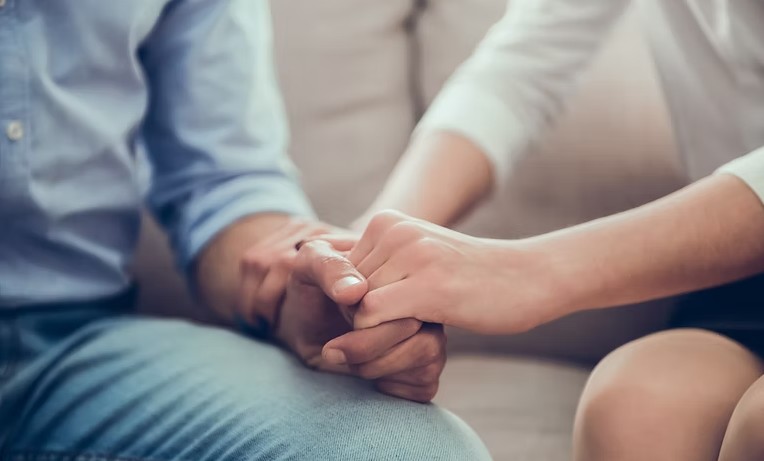
Common reasons couples seek therapy
Each card links to easy-to-read articles from our team if you would like to read more first.
Communication problems and recurring arguments
The same fight, over and over, where one partner pushes and the other pulls away. Therapy helps you see the cycle and step out of it.
Emotional distance
Feeling more like roommates than partners, or lonely even when you are together.
Trust concerns and infidelity
Working through the impact of an affair or broken trust, and deciding whether and how trust can be rebuilt.
Resentment and negativity
When small things feel big and it is hard to give each other the benefit of the doubt.
Parenting stress and family pressures
Disagreements about parenting, an unequal load, or feeling like the relationship comes last.
Life transitions and changing roles
Moving, a new baby, illness, career changes, midlife, or retirement.
Attachment patterns
One partner needs more reassurance, the other needs more space, and both feel misunderstood.
Neurodivergent couples
When ADHD or autism shapes how partners communicate, plan, and share the load.
Deciding what comes next
Unsure whether to stay together. Therapy can help you both get clear, whichever way you decide.
How couples therapy works
Our couples therapists draw on research-based methods and adapt them to your relationship.
Gottman Method
Building friendship, managing conflict, and creating shared meaning, based on decades of research on what makes relationships last.
Emotion-focused therapy (EFT)
Understanding the emotional cycle beneath your arguments and creating safer, closer ways of reaching for each other.
Satir model
Exploring how family history and communication styles shape the way each of you shows up in the relationship.
Cognitive behavioural strategies
Practical tools for listening, repair after conflict, and changing habits that keep you stuck.
Individual sessions as needed
Some couples benefit from a few one-on-one sessions alongside joint work.
Affirming of all relationships
We welcome couples of all identities and relationship structures, including consensually non-monogamous relationships.
What to expect
Couples therapy is structured but flexible. Here is how it usually unfolds.
-
Book together
Book online or start with a free consultation. Let us know you are booking couples therapy so we can match you with a therapist trained in couples work.
-
Understand your relationship
Early sessions focus on what brought you in, the patterns that keep repeating, and what each of you hopes will change.
-
Practise new ways of relating
Your therapist helps you slow down difficult conversations, recognize your cycle, and practise new ways of responding.
-
Strengthen what works
As things improve, sessions shift to protecting your connection and handling future challenges together.
Couples therapists
Each of these clinicians has specific training in couples work. Read their profiles to find the style that suits you both.
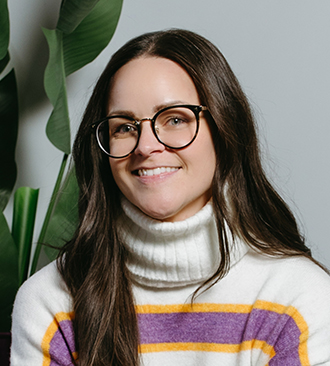



Not sure who to choose? Meet the full team or call 604-774-5501 and our practice manager will suggest a good fit.
When couples therapy is not the right first step
If there is abuse, coercive control, or one partner feels afraid of the other, joint sessions can increase the risk of harm. In those situations, we recommend individual therapy first. It can help you make sense of what is happening, decide whether and when to leave, and plan for safety.
Our Abuse Resources explain the signs of domestic abuse and how to plan for safety. If you are in immediate danger, call 911.
Couples therapy can also be one part of a bigger picture. If one partner is struggling with anxiety, depression, trauma, or substance use, individual therapy alongside couples work often helps. If questions about ADHD, autism, or mental health keep coming up, a psychological assessment can bring clarity for both of you.
Couples therapy in Vancouver and across British Columbia
Our office is in the Rogers Heritage Building at 470 Granville Street in downtown Vancouver, steps from Waterfront Station. Virtual couples therapy is available anywhere in the province, which also works well when partners join from different locations. We regularly support clients from across British Columbia, including:
Related reading
Articles from our team on communication, conflict, and repair in relationships.
Frequently asked questions
What is couples therapy at Pacific Maple Psych Centre?
Couples therapy at Pacific Maple Psych Centre helps partners understand the patterns affecting their relationship, communicate more effectively, work through conflict, and rebuild connection and trust. Sessions are available in downtown Vancouver or virtually anywhere in British Columbia.
What issues can couples therapy help with?
Couples therapy can help with communication difficulties, recurring arguments, emotional distance, infidelity and trust concerns, parenting stress, neurodivergence in a relationship, and major life transitions such as moving, having children, or retiring.
When should a couple consider couples therapy?
You do not need to wait until things feel extreme. Therapy is often most effective when partners notice they are stuck in the same arguments, feel disconnected or misunderstood, or want support through a major change together.
How long does couples therapy take?
It depends on your goals. Some couples feel a real shift within a handful of sessions, while others work through deeper concerns, such as infidelity, over several months. Your therapist will check in regularly so you both know how things are progressing.
What if my partner is hesitant to come?
That is very common. Many couples start with one partner more motivated than the other. A free consultation can answer questions and lower the pressure, and some people begin with individual sessions before inviting their partner.
What approaches do your couples therapists use?
Our couples therapists draw on the Gottman Method, emotion-focused therapy (EFT), the Satir model, and cognitive behavioural strategies. Your therapist will explain their approach in the first session and tailor it to your relationship.
Can couples therapy help with communication problems?
Yes. One of the main goals of couples therapy is healthier communication, so that partners can understand each other, express needs clearly, and respond with more empathy and less defensiveness.
Can couples therapy help after infidelity?
Couples therapy can help partners work through the impact of infidelity, understand what happened in the relationship, and decide whether and how trust can be rebuilt.
Is couples therapy appropriate if there is abuse in the relationship?
Usually not as a first step. When there is abuse, coercive control, or fear of a partner, joint sessions can increase risk. We recommend individual therapy instead, and our Abuse Resources include information on safety planning. If you are in immediate danger, call 911.
Do you work with LGBTQ+ and non-monogamous couples?
Yes. We welcome couples of all identities and relationship structures. Dr. Cosette LeBlanc has particular experience working with gender-diverse individuals and people in consensually non-monogamous relationships.
Do you offer couples therapy in Cantonese or Mandarin?
Yes. Dr. Howard Wong provides couples therapy in English, Cantonese, and Mandarin, drawing on the Gottman Method and the Satir model.
Can we do couples therapy online?
Yes. Couples therapy is available virtually anywhere in British Columbia, which also works well when partners join from different locations within the province.
What if one or both partners also need individual support?
Some couples benefit from one-to-one support alongside relationship work. You can learn more about our individual therapy services, and if a deeper evaluation would help, our psychological assessments.
How do we book couples therapy?
You can book online, call 604-774-5501, or email info@pacificmaplepsych.com. Let us know you are booking couples therapy so we can match you with a therapist trained in couples work.
Take the next step together
Whether you want to stop the same argument, rebuild trust, or simply feel close again, we are here to support you both. Book couples therapy directly, or start with a free consultation.
Questions first? Call 604-774-5501 or email info@pacificmaplepsych.com.
Pacific Maple Psych Centre is not a crisis service. If you are in immediate danger, call 911. To reach the Suicide Crisis Helpline, call or text 9-8-8.