Individual Therapy in Vancouver and Online Across BC
One-on-one therapy for teens and adults with registered psychologists, clinical counsellors, and supervised doctoral students. Meet us in person in downtown Vancouver or virtually anywhere in British Columbia.
- Teens and adults
- In-person and virtual care
- No referral needed
- Student sessions from $120

You don't need to have it
all figured out
Anxiety, low mood, and stress rarely stay in one part of life. They can spill into sleep, work, relationships, health, and how you see yourself, especially during difficult life phases, chronic illness, or major transitions.
Individual therapy gives you a private space to slow down and make sense of what is happening. Your therapist will help you understand the patterns underneath what you are feeling, build practical skills you can use between sessions, and work toward meaningful, lasting change at a pace that feels manageable.
Our team of psychologists, clinical counsellors, and supervised doctoral students works in person in downtown Vancouver and virtually across British Columbia, so you can choose the format that fits your life.

What individual therapy can help
These are some of the most common reasons adults come to see us. Each card links to easy-to-read articles from our education library if you would like to learn more first.
Anxiety and worry
Racing thoughts, constant what-ifs, and a body that will not settle. Therapy helps you understand anxiety and respond to it differently.
Panic attacks and agoraphobia
Sudden waves of fear, a racing heart, or avoiding places in case panic strikes. Gradual, supported exposure can help you regain freedom.
Social anxiety
Feeling judged, rehearsing conversations, or avoiding people even when you want connection.
Depression and low mood
Feeling flat, hopeless, or exhausted, or losing interest in things you used to enjoy, even if you are still getting through the day.
Trauma and PTSD
Nightmares, feeling on edge, or a past event that still feels present. Treatment is paced carefully and trauma-informed.
Car crashes and injuries
Anxiety, flashbacks, or fear of driving or riding in a car after a collision. We accept ICBC clients and can bill ICBC directly.
OCD and intrusive thoughts
Checking, washing, needing things to feel just right, or upsetting thoughts that will not go away.
Phobias and death anxiety
Intense fear of flying, heights, needles, vomiting, illness, or death that shapes the choices you make.
Grief and loss
Bereavement, sudden or traumatic loss, pregnancy loss, or grieving someone who is still alive.
Burnout and work stress
Dreading work, feeling cynical, or having nothing left to give, including in caregiving and helping professions.
Anger and emotion regulation
Emotions that feel too big, too fast, or hard to come down from, including irritability and anger.
Intense emotions and BPD
Fear of abandonment, emotions that shift quickly, or a shaky sense of self, with care that is skills-based and free of judgment.
Self-esteem and perfectionism
A harsh inner critic, people-pleasing, imposter feelings, or never feeling good enough.
Relationships and family
Repeating relationship patterns, family conflict, parenting stress, or difficulty trusting others.
Abusive or controlling relationships
Support to make sense of what is happening, decide whether and when to leave, plan for safety, and heal afterward.
Life transitions and identity
Moving, separation, coming out, retirement, a new baby, or feeling caught between cultures.
Perimenopause and menopause
Irritability, low mood, anxiety, brain fog, or poor sleep during the menopause transition, including early or surgical menopause.
Substance use and habits
Drinking, cannabis, gambling, gaming, or scrolling more than you want to.
ADHD and neurodivergence
Support with focus, time, organization, rejection sensitivity, and the emotional side of being neurodivergent.
Sleep and health anxiety
Insomnia, racing thoughts at night, health worries, or stress showing up in your body.
Sexual concerns
Performance anxiety, sexual dysfunction, and the stress these can place on you and your relationship.
Don’t see what you’re going through? Browse our education library or book a free consultation to talk it through.
Therapy for teens and their families
Adolescence brings its own pressures. Our clinicians work with teens on their own goals while involving parents as appropriate.
Common reasons teens come to therapy
Teens often find it easier to talk to someone outside the family. Therapy offers a confidential space to build skills and confidence.
- Mood
- Anxiety and worries
- Trauma and abuse
- PTSD
- Confidence and self-esteem
- Anger and behaviour
- Family difficulties
- Sibling conflict
- Bereavement
- Difficulties at school
- Emotion regulation
- Sexuality and identity
- Video game addiction
Support for parents
Wondering whether your child needs help, or finding parenting a teen harder than expected? These guides are a good place to start.
How we work
Therapy at Pacific Maple combines thought-based and emotion-focused work. Some sessions focus on practical skills; others make space to understand where a pattern began and what it has been protecting you from.
Cognitive behavioural therapy (CBT)
Practical tools to notice and shift the thoughts and behaviours that keep anxiety, low mood, and stress going.
Acceptance and commitment therapy (ACT)
Learning to make room for difficult feelings while moving toward what matters to you.
Dialectical behaviour therapy (DBT) skills
Skills for intense emotions, distress tolerance, mindfulness, and relationships.
Emotion-focused therapy (EFT)
Understanding and working with emotions, rather than around them, to create change.
Exposure-based therapy and ERP
Gradual, agreed-upon steps toward what you fear, used for anxiety, phobias, panic, and OCD.
Cognitive processing therapy and prolonged exposure
Evidence-based trauma treatments that help you process painful memories safely.
Psychodynamic therapy
Exploring how past experiences and patterns outside your awareness shape your relationships and choices today.
Compassion-focused therapy
Softening a harsh inner critic and building self-compassion, especially helpful for shame and perfectionism.
Mindfulness-based cognitive therapy (MBCT)
Mindfulness practices combined with CBT to prevent depression from returning.
Solution-focused and narrative therapy
Building on your strengths and rewriting the stories that keep you stuck.
Schema therapy
Addressing deep-rooted patterns that began early in life and show up in adult relationships.
Satir model
A family systems approach to understanding how family history shapes communication and self-worth.
Your therapist will explain the options and tailor the approach to your goals. You can also ask about a specific approach when you book, and our practice manager will match you with a clinician trained in it.
What to expect
Our approach is grounded in a clear understanding of your thoughts, behaviours, emotions, and history, so that therapy targets what is actually keeping you stuck.
-
Book your first session
Book directly online, or start with a free consultation if you would like help choosing a therapist.
-
Get to know each other
Your first sessions focus on your concerns, history, and goals, and on how the pieces connect. Understanding the past helps us plan for the future.
-
Build skills and insight
Sessions combine practical strategies, such as gradual exposure to anxiety in a safe, agreed-upon way, with deeper reflection on your patterns.
-
Review your progress
You and your therapist check in on your goals regularly and adjust the plan, including adding a psychiatric consultation if it would help.
Therapists you can book with
Every clinician brings different training and a different style. Read a few profiles, or ask our team to suggest the best fit for your concerns.

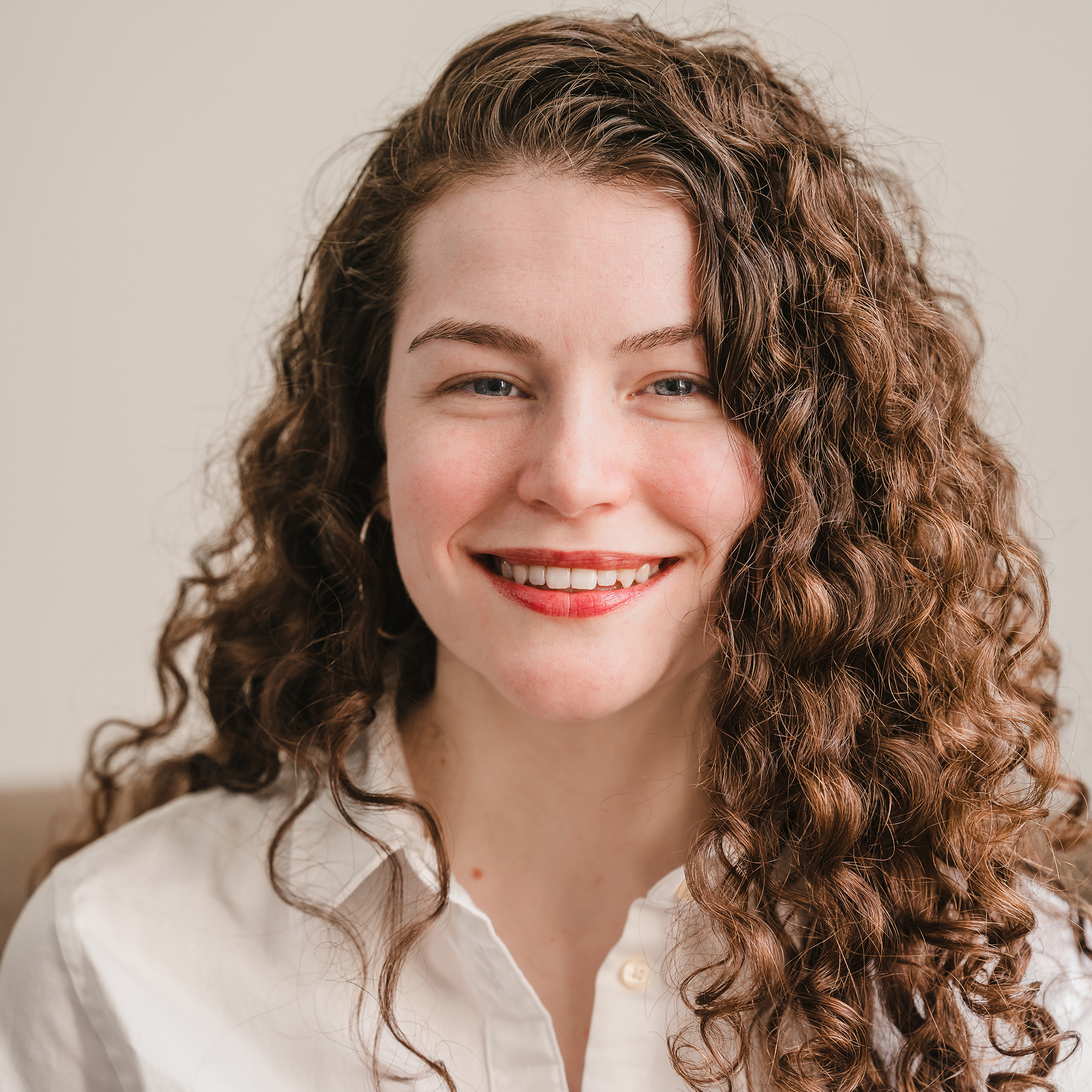







More supervised doctoral students, including Colleen Rainey, Ali Barry, Gurjot Chhina, Yasmin Abdoulraman, and Omer Mustufa, offer therapy at $120 per session. Meet the full team.
Fees, insurance, and practical details
Fees for registered psychologists and clinical counsellors vary by clinician, and our team will confirm the cost when you book. Many extended health plans reimburse therapy, and fees that are not reimbursed can be claimed as a medical expense. Select clinicians are registered with the Crime Victim Assistance Program (CVAP), and B.C. Emergency Health Services employees and their families can access support at no cost. See our policies.
Faster access to a psychiatrist, if you need one
Therapy and medication often work best together. Because consulting psychiatrists are part of our team, therapy clients do not have to start from scratch to get a psychiatric opinion.
If your clinician believes a medication review or a second diagnostic opinion would help, they can recommend an expedited consultation with one of our consulting psychiatrists and, with your consent, coordinate the referral. Psychiatric consultations are covered by MSP, and your ongoing care continues with the clinician who already knows you.
Available to active clients: people in ongoing therapy with us (usually every two weeks), people working with one of our doctoral students, and people who completed an assessment with us in the past six months. MSP-covered psychiatric care requires a physician referral. Read our referral policy.
Therapy in Vancouver and across British Columbia
Our office is in the Rogers Heritage Building at 470 Granville Street in downtown Vancouver, steps from Waterfront Station. Virtual sessions are available anywhere in the province. We regularly support clients from across British Columbia, including:
Related reading
Not sure whether therapy is right for you yet? These short, easy-to-read articles explain common experiences.
Frequently asked questions
Who is individual therapy for at Pacific Maple Psych Centre?
We offer individual therapy for adolescents and adults in downtown Vancouver and virtually across British Columbia. Several of our clinicians also work with children and families. Therapy is tailored to each person's concerns, goals, and stage of life.
What concerns can individual therapy help with?
Individual therapy can help with anxiety, depression, panic attacks, trauma and PTSD, phobias, social anxiety, obsessive-compulsive symptoms, emotion regulation difficulties, self-esteem, burnout and work stress, grief, family and relationship difficulties, abusive relationships, and major life transitions.
What is the difference between a psychologist and a counsellor for therapy?
Registered psychologists have doctoral training and can provide both therapy and psychological assessments, including diagnosis. Registered clinical counsellors and counselling therapists have graduate training focused on therapy. Both provide evidence-based individual therapy, and supervised doctoral students offer a lower-cost option. Our team can help you choose based on your concerns and budget.
How often are therapy sessions, and how long do they last?
Most clients start with weekly or every-other-week sessions, then space them out as things improve. Sessions are usually about 50 minutes. Your therapist will talk with you about a rhythm that fits your goals and budget.
Do you offer therapy for anxiety in Vancouver and across British Columbia?
Yes. Anxiety is one of the most common reasons people start therapy with us. Our clinicians use evidence-based approaches such as cognitive behavioural therapy (CBT), acceptance and commitment therapy (ACT), and gradual exposure to help people understand their anxiety, cope more effectively, and regain a sense of control.
Do you provide therapy for adolescents?
Yes. We provide therapy for adolescents for concerns such as mood, anxiety, trauma, PTSD, self-esteem, anger and behaviour, family and sibling difficulties, bereavement, school difficulties, emotion regulation, sexuality, and video game addiction. Teens aged 13 to 18 can also join our virtual group therapy.
Do you provide therapy for adults?
Yes. We provide therapy for adults for concerns such as depression, anxiety, panic attacks, agoraphobia, trauma and PTSD, phobias, social anxiety, death anxiety, obsessive-compulsive disorder, family and parenting difficulties, emotion management, work challenges, and sexual dysfunction.
What types of therapy do your clinicians offer?
Our clinicians draw on CBT, ACT, DBT skills, emotion-focused therapy, compassion-focused therapy, cognitive processing therapy, prolonged exposure, exposure and response prevention, mindfulness-based cognitive therapy, solution-focused therapy, narrative therapy, schema therapy, psychodynamic therapy, and the Satir model. Your therapist will tailor the approach to your goals.
Do you offer psychodynamic therapy?
Yes. Dr. Mickey Stein offers psychodynamic therapy alongside CBT, and some of our doctoral students integrate psychodynamic ideas into their work. Psychodynamic therapy explores how past experiences and patterns outside your awareness shape your relationships, emotions, and choices today.
Can individual therapy help with trauma and PTSD?
Yes. Trauma and PTSD are among the concerns we treat most often, for both adolescents and adults. Depending on the clinician, treatment may include cognitive processing therapy, prolonged exposure, or other trauma-informed approaches. Select clinicians are registered with the Crime Victim Assistance Program (CVAP).
Can therapy help if I am in an abusive relationship?
Yes. Individual therapy can help you make sense of what is happening, decide whether and when to leave, plan for safety, and recover afterward. Our Abuse Resources include information on recognizing abuse and safety planning. If you are in immediate danger, call 911.
Is individual therapy available online?
Yes. You can meet your therapist in person at our office in the Rogers Heritage Building in downtown Vancouver, or virtually from anywhere in British Columbia.
How much does individual therapy cost, and is it covered by insurance?
Fees vary by clinician, and our team will confirm the cost when you book. Therapy with a supervised doctoral student is $120 per session. Many extended health plans reimburse therapy with registered psychologists and clinical counsellors, and most also cover supervised student sessions. Therapy is not covered by MSP, but unreimbursed fees can be claimed as a medical expense. See our policies.
Can I see a psychiatrist while I am in therapy with you?
Yes. Clients in ongoing therapy with us can be referred internally to one of our consulting psychiatrists for an expedited consultation on diagnosis or medication. The consultation is covered by MSP, and your follow-up care continues with your therapist.
Do you offer therapy in languages other than English?
Yes. Therapy is available in Cantonese and Mandarin with Dr. Howard Wong, in Punjabi with Gurjot Chhina, and in Urdu with Omer Mustufa.
How do I book an individual therapy session?
You can book online, call 604-774-5501, or email info@pacificmaplepsych.com. If you are unsure which therapist to choose, our practice manager can suggest a good fit based on your concerns, preferred language, schedule, and budget.
Ready to talk to someone?
If you are ready to begin a journey of self-discovery, growth, and healing, we would be glad to help. Book a session directly, or start with a free consultation to find the therapist who fits you best.
Prefer to talk to a person? Call 604-774-5501 or email info@pacificmaplepsych.com.
Pacific Maple Psych Centre is not a crisis service. If you are in immediate danger, call 911. To reach the Suicide Crisis Helpline, call or text 9-8-8.